

Semaglutide has become one of the most discussed medications in modern medicine, and for good reason. Originally developed to treat type 2 diabetes, semaglutide demonstrated such significant weight loss effects in clinical trials that it earned FDA approval specifically for chronic weight management under the brand name Wegovy. For millions of people who have struggled with weight loss despite genuine effort, this medication represents a fundamentally different approach: one that addresses the biological mechanisms driving weight gain rather than relying solely on willpower.
But semaglutide is not a magic solution, and the information landscape surrounding it ranges from overly optimistic to unnecessarily alarming. If you are considering semaglutide for weight loss, you deserve a thorough, balanced understanding of how it works, what the clinical data actually shows, what side effects to anticipate, and why medical supervision matters more than many patients realize.
This guide covers everything you need to know, from the molecular mechanism to month-by-month expectations, so you can make an informed decision about whether medically supervised weight loss with semaglutide is right for you.
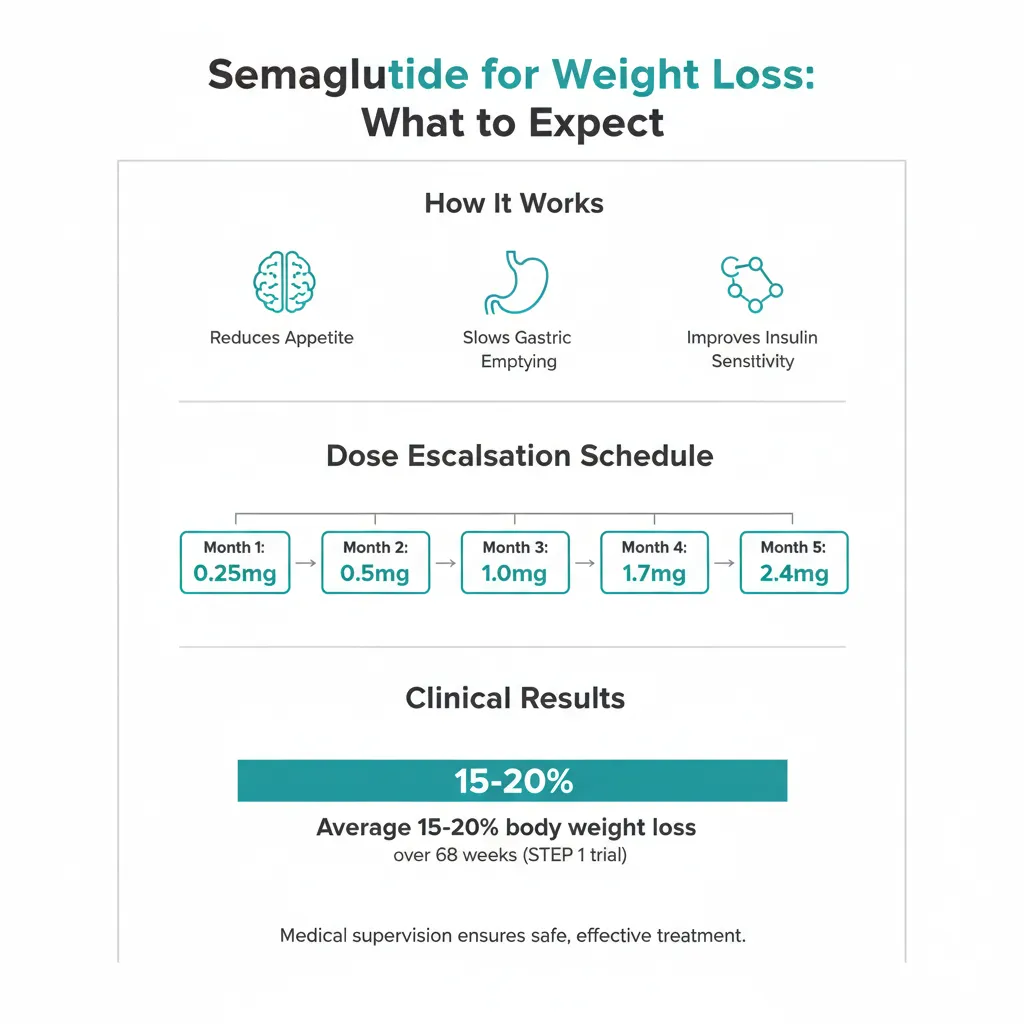
Semaglutide is a GLP-1 receptor agonist that mimics a natural hormone called glucagon-like peptide-1. It reduces appetite by acting on hunger centers in the brain, slows gastric emptying so you feel full longer, and improves insulin sensitivity, which together support weight loss over time when combined with lifestyle modifications.
Semaglutide addresses the biological drivers of weight gain, not just behavioral ones. It works best as part of a comprehensive medical weight loss program that includes nutrition guidance, exercise support, and ongoing provider oversight.
How Semaglutide Works: The GLP-1 Mechanism Explained
To understand why semaglutide is so effective for weight loss, you need to understand the role of GLP-1 in your body. Glucagon-like peptide-1 (GLP-1) is a hormone naturally produced in the intestines after you eat. It performs several functions: it signals the pancreas to release insulin, tells the liver to reduce glucose production, slows the speed at which food leaves your stomach (gastric emptying), and communicates with appetite-regulating centers in the brain.
Natural GLP-1 has a very short half-life. Your body breaks it down within minutes, which limits its impact. Semaglutide is a modified version of GLP-1 that has been engineered to resist degradation, giving it a half-life of approximately 7 days. This extended duration is what allows it to be administered as a once-weekly injection.
The weight loss effects of semaglutide stem primarily from three mechanisms working in concert. First, it reduces appetite at the neurological level by acting on GLP-1 receptors in the hypothalamus, the brain region that regulates hunger and satiety. Patients consistently report feeling less hungry, having fewer food cravings, and feeling satisfied with smaller portions. Second, semaglutide slows gastric emptying, meaning food stays in your stomach longer after meals. This prolongs the sensation of fullness and naturally reduces caloric intake. Third, it improves insulin sensitivity and glucose metabolism, which can reduce the metabolic dysfunction that makes weight loss difficult for many patients.
Importantly, semaglutide does not suppress appetite through stimulant effects (like phentermine) or by altering serotonin pathways (like older weight loss drugs). The GLP-1 mechanism works through the same hormonal pathways your body already uses to regulate hunger, which is why the appetite reduction tends to feel natural rather than forced.
Clinical Trial Results: What the Data Shows
Semaglutide has been evaluated in the STEP (Semaglutide Treatment Effect in People with obesity) trial program, which included four major studies of semaglutide 2.4 mg weekly across different patient populations, including adults with obesity, adults with type 2 diabetes, and adults receiving intensive behavioral support alongside the medication.
Across these studies, weight loss was consistently greater with semaglutide than with placebo, and the weight loss was associated with improvements in cardiometabolic risk factors including blood pressure, waist circumference, lipid profiles, and inflammatory markers. Individual results vary considerably, and we will not quote a specific average outcome here, since your own response depends on your starting point, dose, and how the medication is combined with nutrition and activity.
One of the trials in the program followed patients who stopped taking semaglutide after a period of treatment. Many of those patients regained a substantial portion of the weight they had lost, which underscores that obesity tends to behave as a chronic condition and that a long-term plan matters as much as the medication itself.
| Trial | Population | Duration | What It Evaluated |
|---|---|---|---|
| STEP 1 | Adults with obesity (BMI 30+) or overweight (BMI 27+) with comorbidity, no diabetes | 68 weeks | Semaglutide 2.4 mg vs. placebo alongside lifestyle intervention |
| STEP 2 | Adults with type 2 diabetes and overweight/obesity | 68 weeks | Semaglutide 2.4 mg vs. placebo, with blood sugar control tracked alongside weight |
| STEP 3 | Adults with obesity, intensive behavioral therapy included | 68 weeks | Semaglutide 2.4 mg vs. placebo with structured behavioral support |
| STEP 4 | Adults who completed a run-in period on semaglutide, then randomized to continue vs. switch to placebo | 68 weeks total | Whether continuing semaglutide sustains weight loss compared with stopping it |
Semaglutide produced greater weight loss than placebo across the STEP trial program, but we will not quote a specific average here because individual results vary widely. What the STEP 4 data makes clear is that weight regain is a real possibility after stopping the medication, which is why a long-term maintenance strategy matters.

Semaglutide vs Tirzepatide: How They Compare
Tirzepatide (brand name Mounjaro for diabetes, Zepbound for weight loss) is a newer medication that has entered the weight loss conversation. While semaglutide targets only GLP-1 receptors, tirzepatide is a dual agonist that targets both GLP-1 and GIP (glucose-dependent insulinotropic polypeptide) receptors, adding a second metabolic pathway to the mechanism.
The choice between the two medications is not based on a single efficacy number. Individual response varies considerably, and some patients may respond better to one medication than the other. Factors such as insurance coverage, availability, side effect tolerance, and cost all play a role in the decision. Your provider can help determine which medication is the best starting point based on your clinical profile.
| Factor | Semaglutide (Wegovy) | Tirzepatide (Zepbound) |
|---|---|---|
| Mechanism | GLP-1 receptor agonist (single target) | GLP-1 + GIP dual receptor agonist |
| FDA approval for weight loss | June 2021 | November 2023 |
| Dosing frequency | Once weekly injection | Once weekly injection |
| Dose escalation period | 16 to 20 weeks to reach full dose | 16 to 20 weeks to reach full dose |
| Common side effects | Nausea, vomiting, diarrhea, constipation | Nausea, vomiting, diarrhea, constipation (similar profile) |
| Time in market | Longer track record, more real-world data | Newer, less long-term data available |
| Insulin sensitivity | Improves insulin sensitivity | Improves insulin sensitivity via both GLP-1 and GIP pathways |
Questions about weight loss?
Our providers offer consultations to discuss your options. The $50 fee is applied toward your first treatment.
Talk to a ProviderDose Escalation Schedule
Semaglutide is not started at full dose. A gradual escalation protocol is used to minimize gastrointestinal side effects and allow your body to adjust. Each dose level is maintained for 4 weeks before increasing.
This gradual approach is important. Patients who skip the escalation or increase doses too quickly are significantly more likely to experience severe nausea, vomiting, and other gastrointestinal side effects that may lead them to discontinue treatment entirely. In our clinical experience, patients who follow the escalation schedule faithfully tend to tolerate the medication well and achieve better long-term adherence.
Some patients achieve satisfactory weight loss at intermediate doses (1.0 or 1.7 mg) and may not need to escalate to the full 2.4 mg dose. This is a clinical decision that should be made in collaboration with your provider based on your progress, side effects, and goals.
| Week | Weekly Dose | Purpose |
|---|---|---|
| Weeks 1 to 4 | 0.25 mg | Initiation dose; allows GI tract to adjust; minimal weight loss expected |
| Weeks 5 to 8 | 0.5 mg | First therapeutic increase; appetite reduction typically begins |
| Weeks 9 to 12 | 1.0 mg | Continued escalation; most patients notice significant appetite change |
| Weeks 13 to 16 | 1.7 mg | Approaching maintenance dose; weight loss accelerates |
| Week 17 onward | 2.4 mg | Full maintenance dose; maximum therapeutic effect |
Take your injection on the same day each week, but you can choose any day that works for your schedule. Many patients prefer to inject on a day when they can rest if side effects occur, such as Friday evening.
What to Expect Month by Month
Understanding the typical sequence helps set realistic expectations. Individual results vary considerably, and we do not promise a specific amount of weight loss at any stage. The following month-by-month breakdown reflects the general pattern our providers observe in a medically supervised program.
Month 1 (0.25 mg): This is the adjustment period. Some patients notice reduced appetite, while others feel little change at this starting dose, and scale movement is typically modest either way. Mild nausea is common in the first week or two and typically improves as your body adapts. Focus during this month should be on establishing healthy eating patterns and staying hydrated.
Month 2 (0.5 mg): Appetite reduction tends to become more noticeable. Most patients find they are naturally eating smaller portions and experiencing fewer cravings, particularly for high-calorie foods. This is when many patients begin to see the medication's effect on their relationship with food.
Month 3 (1.0 mg): Appetite suppression is generally well established by this point. Energy levels often improve as weight trends downward and metabolic function improves. Patients who have started or maintained exercise programs may notice improved endurance and changes in body composition.
Month 4 (1.7 mg): Weight loss tends to continue at a steady pace for most patients. Many notice improvements in blood pressure, energy, joint comfort, and clothing fit. Lab values (glucose, cholesterol, triglycerides) often show measurable improvement by this point, which your provider tracks at follow-up visits.
Month 5 to 6 (2.4 mg): At full maintenance dose, weight loss commonly continues but may begin to slow as the body approaches a new set point. This is also when the importance of complementary lifestyle habits becomes most apparent. Patients who have adopted sustainable nutrition and exercise practices tend to see continued progress, while those relying solely on the medication may plateau.
Month 6 and beyond: Weight loss may continue at a slower pace through month 12 and even beyond. The focus shifts toward weight maintenance and sustaining the metabolic improvements achieved. Regular follow-up with your provider ensures that dosing remains appropriate and that any emerging concerns are addressed promptly.
Common Side Effects and How to Manage Them
Gastrointestinal side effects are the most commonly reported adverse effects of semaglutide. Understanding what to expect and how to manage these effects can make the difference between a successful treatment course and premature discontinuation.
Nausea: The most commonly reported side effect. It is typically most pronounced during the first 1 to 2 weeks of each dose escalation and tends to improve with continued use. Eating smaller, more frequent meals, avoiding high-fat and greasy foods, staying well hydrated, and eating slowly can all help reduce nausea. Ginger tea or ginger supplements may provide additional relief.
Constipation: Also commonly reported. Adequate hydration (at least 64 ounces of water daily), fiber-rich foods, regular physical activity, and over-the-counter fiber supplements can help maintain regularity. If constipation becomes persistent, your provider may recommend additional interventions.
Diarrhea: Less common than nausea and constipation. It is typically self-limiting and resolves within the first few weeks of a new dose level.
Fatigue: Some patients report tiredness, particularly during the early weeks of treatment. This may be related to reduced caloric intake as appetite decreases. Ensuring adequate protein intake (at least 0.7 to 1.0 grams per pound of lean body mass) and avoiding severely low-calorie diets can help maintain energy levels.
Injection site reactions: Mild redness, swelling, or itching at the injection site is occasionally reported. Rotating injection sites between the abdomen, thigh, and upper arm can minimize this.
More serious but rare side effects include pancreatitis, gallbladder disease, and potential thyroid effects. Any persistent abdominal pain, severe vomiting, or other concerning symptoms should be reported to your provider immediately.
Never increase your dose faster than prescribed, even if you feel that the current dose is not working. Most side effects are related to dose escalation speed, and skipping steps significantly increases the risk of severe nausea and vomiting.
Who Is a Candidate for Semaglutide?
Semaglutide for weight loss is not appropriate for everyone. Understanding the clinical criteria can help you determine whether this medication may be an option for you.
The FDA-approved criteria for semaglutide (Wegovy) include adults with a BMI of 30 or greater (obesity), or adults with a BMI of 27 or greater (overweight) who have at least one weight-related comorbidity such as type 2 diabetes, high blood pressure, high cholesterol, or obstructive sleep apnea.
Beyond BMI criteria, ideal candidates are patients who have attempted lifestyle modifications (diet, exercise) without achieving adequate or sustained weight loss. Semaglutide is designed to complement these efforts, not replace them. Patients who are motivated to make dietary changes and increase physical activity while on the medication tend to achieve the best and most durable results.
Who Should Not Take Semaglutide
Semaglutide is contraindicated in patients with a personal or family history of medullary thyroid carcinoma (MTC) or Multiple Endocrine Neoplasia syndrome type 2 (MEN 2). It should not be used during pregnancy or breastfeeding. Patients with a history of pancreatitis should use caution, and those with severe gastrointestinal disease (such as gastroparesis) may not tolerate the medication well due to its effects on gastric emptying.
Additionally, semaglutide should not be used concurrently with other GLP-1 receptor agonists. Patients currently taking insulin or sulfonylureas for diabetes need careful dose adjustments to avoid hypoglycemia. A thorough medical evaluation by a qualified provider is essential before starting treatment.
Why Medical Supervision Matters
The rise of online prescribers and telehealth-only weight loss clinics has made semaglutide more accessible, but accessibility without proper oversight carries real risks. Here is why a medically supervised program provides meaningfully better care.
Comprehensive health evaluation: A qualified provider will evaluate your full medical history, current medications, and existing health conditions before prescribing. Semaglutide interacts with several medication classes and is contraindicated in certain conditions. An online questionnaire cannot substitute for a clinical evaluation.
Lab monitoring: Baseline and ongoing lab work is important for tracking metabolic improvements, identifying early signs of complications (such as gallbladder dysfunction or pancreatic inflammation), and adjusting treatment as your body changes. Providers who prescribe without lab monitoring are missing critical safety data.
Nutritional guidance: Semaglutide reduces appetite, but it does not teach you how to eat. Without nutritional guidance, patients may inadvertently develop nutrient deficiencies, lose muscle mass due to inadequate protein intake, or fail to establish the eating patterns needed for long-term weight maintenance.
Dose management: The escalation schedule is a guideline, not a rigid protocol. Some patients benefit from slower escalation, extended time at intermediate doses, or dose reduction if side effects are intolerable. A provider who knows your history can make these adjustments intelligently.
Transition planning: What happens when you stop the medication? A good medical weight loss program addresses this question from the beginning, building sustainable habits and considering maintenance strategies that reduce the risk of weight regain.
At Allen Medical Aesthetics, our weight loss program integrates semaglutide (and tirzepatide) prescribing with nutritional counseling, body composition monitoring, lab work, and ongoing provider support. We believe that the medication is most effective when it is part of a comprehensive strategy, not when it stands alone.

“My approach to semaglutide prescribing starts with a thorough evaluation, not a quick questionnaire. I want to understand each patient's metabolic health, medication history, and goals before we choose a medication and dose strategy. That level of individualization is what separates a medical weight loss program from an online prescription mill.”
Brittanie Lane, MSN, ARNP Functional Wellness Nurse Practitioner
Nutrition and Exercise While on Semaglutide
Semaglutide creates a window of opportunity. By reducing appetite and cravings, it allows you to make dietary changes that may have felt impossible before. The key is using this window wisely by establishing eating and exercise patterns that you can sustain long-term.
Protein prioritization: Adequate protein intake is critical during weight loss to preserve lean muscle mass. We recommend aiming for 0.7 to 1.0 grams of protein per pound of lean body mass daily. Protein should be the foundation of every meal, as it also supports satiety and helps prevent the muscle loss that can accompany rapid weight reduction.
Hydration: Semaglutide's effects on gastric emptying and the common side effects of nausea and constipation make hydration especially important. Aim for at least 64 ounces of water daily, and more if you are physically active.
Meal structure: Eating smaller, more frequent meals (3 meals and 1 to 2 snacks) can help manage nausea and ensure adequate nutrient intake. Avoid large, heavy meals that sit in the stomach too long. Focus on lean proteins, vegetables, whole grains, and healthy fats.
Exercise: Resistance training (weight lifting, bodyweight exercises, resistance bands) is particularly important during GLP-1 therapy to maintain muscle mass. Aim for at least 2 to 3 resistance training sessions per week. Moderate cardiovascular exercise (walking, cycling, swimming) 3 to 5 times per week supports cardiovascular health and enhances weight loss. Start gradually if you are new to exercise and increase intensity over time.
Some patients find that IV hydration therapy helps manage the dehydration and fatigue that can accompany the early adjustment period, particularly if nausea makes oral hydration challenging.
Track your protein intake for the first few weeks to ensure you are hitting your target. Many patients on semaglutide undereat protein because their overall appetite is reduced, which can lead to muscle loss and slower metabolism over time.
What Happens When You Stop Semaglutide
This is perhaps the most important section of this guide, and it is the one most often glossed over by online prescribers. Data from the STEP trial program shows that patients who discontinue semaglutide commonly regain a substantial portion of the weight they lost, without a specific number we can promise for any individual.
This weight regain is not a failure of willpower. It reflects the underlying biology of obesity. When you lose weight, your body responds with compensatory mechanisms designed to restore your previous weight. Hunger hormones (ghrelin) increase, satiety hormones decrease, metabolic rate drops, and your brain becomes more responsive to food cues. These changes can persist for years after weight loss, regardless of the method used to lose the weight.
Semaglutide counteracts these compensatory mechanisms while you are taking it. When you stop, those mechanisms reassert themselves. This is why obesity is increasingly recognized as a chronic condition that may require ongoing management, similar to how blood pressure medication manages hypertension.
That said, not every patient will regain all lost weight, and there are strategies to minimize regain:
- Gradual tapering: Rather than stopping abruptly, a slow dose reduction (from 2.4 mg to 1.7 mg, then to 1.0 mg over several months) may ease the transition and allow your body to adjust more gradually.
- Established habits: Patients who have genuinely adopted sustainable nutrition and exercise habits during treatment are better positioned to maintain their weight loss. The medication creates the window; the habits sustain the results.
- Maintenance dosing: Some patients benefit from staying on a lower maintenance dose (0.5 or 1.0 mg weekly) rather than discontinuing entirely. This approach may provide enough appetite regulation to prevent significant regain at a lower cost and side effect burden.
- Metabolic support: Optimizing thyroid function, managing stress, ensuring adequate sleep, and addressing hormonal imbalances can support metabolic health and reduce regain risk.
- Ongoing monitoring: Regular check-ins with your provider allow for early intervention if weight begins to trend upward after discontinuation.
Cost and Practical Considerations
Cost is a significant factor for most patients considering semaglutide. The retail price of brand-name Wegovy can exceed $1,300 per month without insurance. Insurance coverage varies widely, and many plans exclude weight loss medications or impose strict prior authorization requirements.
Allen Medical Aesthetics prescribes both manufacturer-produced and compounded semaglutide depending on your plan, and your provider explains the difference between the two before you decide. If cost is a concern, ask your provider about which formulation fits your plan, insurance prior authorization support, and financing options.
When evaluating cost, consider the total value of the program, not just the medication price. A program that includes provider visits, lab work, nutritional guidance, and body composition monitoring may cost more upfront but typically delivers better safety and support than a low-cost, medication-only model.
At Allen Medical Aesthetics, we provide transparent pricing for our weight loss program and help patients understand all costs before treatment begins. We also offer guidance on insurance prior authorization when applicable.
How Allen Medical's Weight Loss Program Works
Our medical weight loss program at Allen Medical Aesthetics is designed to provide comprehensive, medically supervised care that goes beyond simply writing a prescription.
Every patient begins with a detailed medical evaluation, including a full health history, current medication review, body composition analysis, and comprehensive metabolic lab panel. This evaluation determines whether semaglutide, tirzepatide, or another approach is the best fit for your clinical profile and goals.
Once treatment begins, you receive regular follow-up appointments that include weight and body composition tracking, lab work review, side effect management, nutritional counseling, and dose adjustment as needed. Our providers are available between appointments for questions and concerns.
We also recognize that weight management does not exist in isolation. Many of our weight loss patients also benefit from hormone optimization, as hormonal imbalances can significantly impact metabolism, appetite, energy levels, and body composition. Addressing both weight and hormonal health simultaneously often produces outcomes that neither treatment achieves alone.
Our goal is not just a number on the scale. It is helping you achieve a sustainable, healthier body composition that improves your quality of life, your metabolic health, and your long-term wellness.
Frequently Asked Questions
How much weight can I lose on semaglutide?
We cannot promise a specific number, because individual results vary widely based on starting weight, adherence, dose tolerance, and lifestyle factors. Semaglutide has been studied extensively for weight loss, and your provider will discuss realistic expectations for your situation based on your health history and goals.
How long do I need to take semaglutide?
Semaglutide is FDA-approved for chronic (long-term) use. Many patients benefit from continued treatment to maintain their weight loss, since weight regain after discontinuation is a recognized concern. The duration of treatment should be discussed with your provider based on your goals, progress, and overall health.
Can I drink alcohol while taking semaglutide?
Moderate alcohol consumption is generally permissible, but alcohol can worsen nausea and may contribute to hypoglycemia in patients with diabetes. Many patients find that their tolerance for alcohol decreases while on semaglutide. We recommend limiting alcohol intake and discussing your specific situation with your provider.
Will I lose muscle on semaglutide?
Any significant weight loss involves some loss of lean mass alongside fat. However, adequate protein intake (0.7 to 1.0 grams per pound of lean body mass) and regular resistance training can substantially minimize muscle loss. This is one reason why nutritional guidance is an important component of a comprehensive weight loss program.
Is semaglutide the same as Ozempic?
Semaglutide is the active ingredient in both Ozempic (approved for type 2 diabetes at doses up to 2.0 mg) and Wegovy (approved for weight management at 2.4 mg). While the molecule is the same, the approved indications, dosing, and insurance coverage differ.
What if semaglutide does not work for me?
If you do not achieve adequate weight loss on semaglutide, your provider may recommend increasing the dose (if not already at maximum), switching to tirzepatide (which works through a dual mechanism), or adding complementary approaches such as hormone optimization or more intensive nutritional support. Non-response to one GLP-1 medication does not mean all options are exhausted.
Can I take semaglutide if I have thyroid problems?
Semaglutide is contraindicated in patients with a personal or family history of medullary thyroid carcinoma or MEN 2 syndrome. For other thyroid conditions (hypothyroidism, Hashimoto's, etc.), semaglutide is generally considered safe but should be prescribed after a thorough evaluation. Your thyroid medication dosing may need adjustment as you lose weight.
How is semaglutide injected?
Semaglutide is administered as a subcutaneous (under the skin) injection once per week. It comes in a pre-filled pen that is simple to use at home. Your provider will demonstrate the injection technique at your first visit. Injection sites include the abdomen, thigh, or upper arm, and you should rotate sites weekly.
Related Articles
This article supports our Medical Weight Loss service page. Learn more about treatment options, candidacy, and what to expect.