
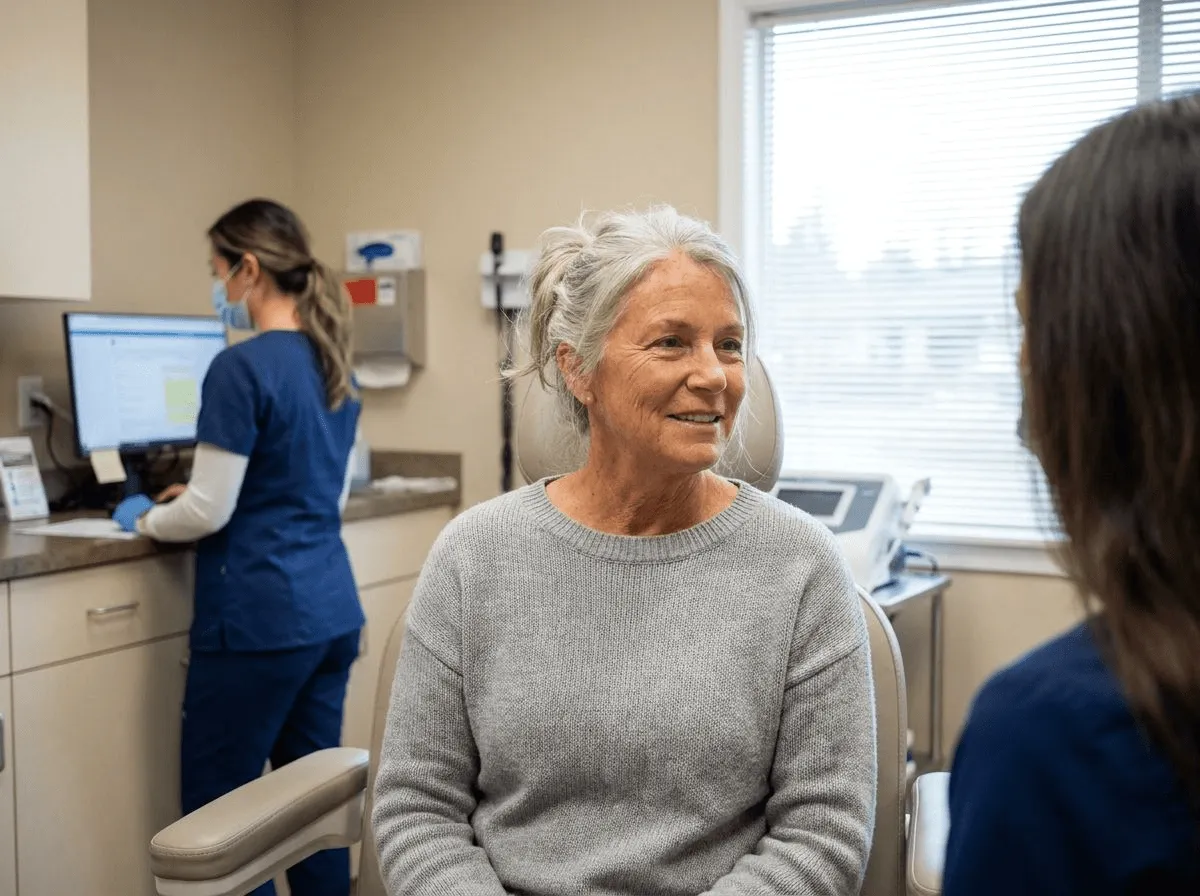
Sun Damage Treatment in Des Moines, WA
Years of UV exposure leave visible marks on your skin, from dark spots and redness to premature wrinkles and rough texture. We offer targeted treatments that reverse sun damage and restore a healthier, more even complexion.
- Affects
- All skin types
- Common Causes
- UV exposure
- Top Treatments
- IPL, chemical peels, lasers
- Results Timeline
- 1-4 weeks
Understanding Sun Damage
Sun damage, also called photoaging, refers to the cumulative changes in skin caused by ultraviolet radiation over time. Unlike chronological aging, which affects the skin gradually and evenly, sun damage creates specific patterns of discoloration, texture changes, and premature wrinkling that can make skin look years older than it is.
The visible signs of sun damage include brown spots (solar lentigines), redness and broken capillaries, rough or leathery texture, fine lines, and uneven skin tone. These changes result from UV radiation breaking down collagen and elastin fibers while stimulating excess melanin production. The damage is cumulative, meaning each instance of sun exposure builds on previous damage even if it did not cause a visible sunburn.
The Pacific Northwest's overcast climate can create a false sense of protection. UV radiation penetrates cloud cover, and many patients are surprised to learn that their sun damage has been accumulating for years. At Allen Medical Aesthetics, we assess the full extent of your photoaging and create a treatment plan that addresses both the visible damage and the underlying structural changes.
- Cumulative UV exposure over years and decades
- Inconsistent or inadequate sun protection
- Outdoor lifestyle and recreational sun exposure
- History of tanning beds or intentional tanning
- Living at higher elevations or near reflective surfaces
Sun Damage Treatment Options
Sun damage affects multiple layers of the skin. We use a combination of light-based, laser, and chemical treatments to address discoloration, texture changes, and collagen loss simultaneously.
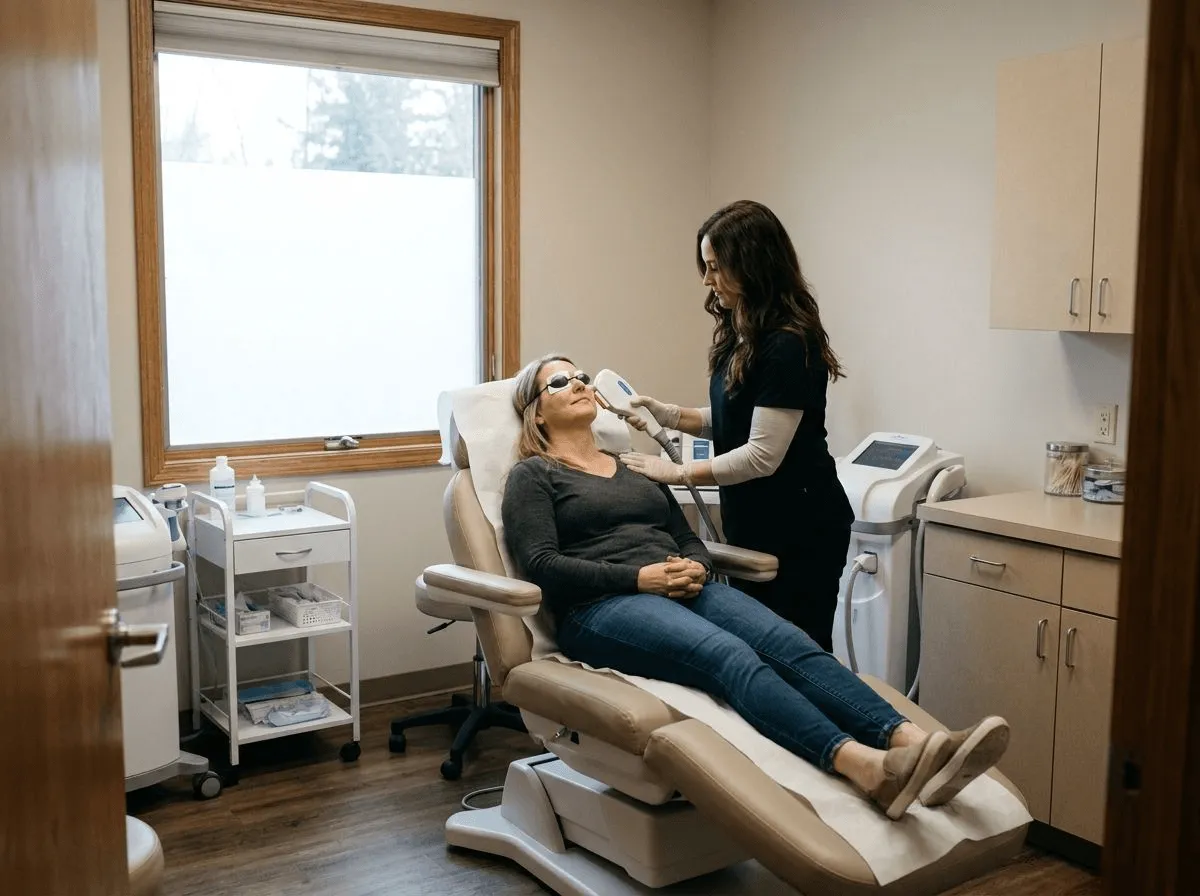
IPL Photofacial
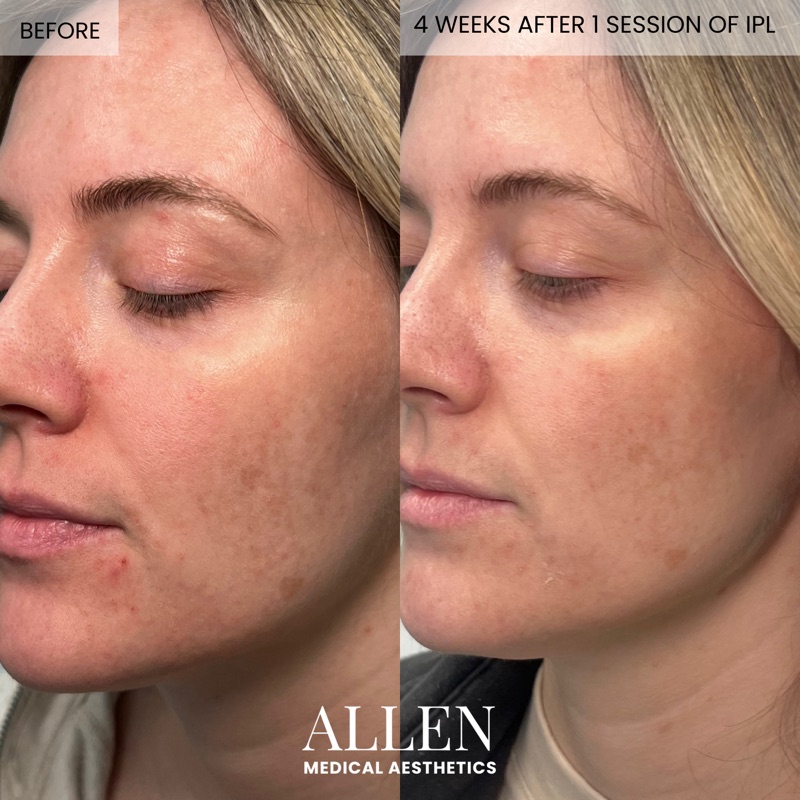
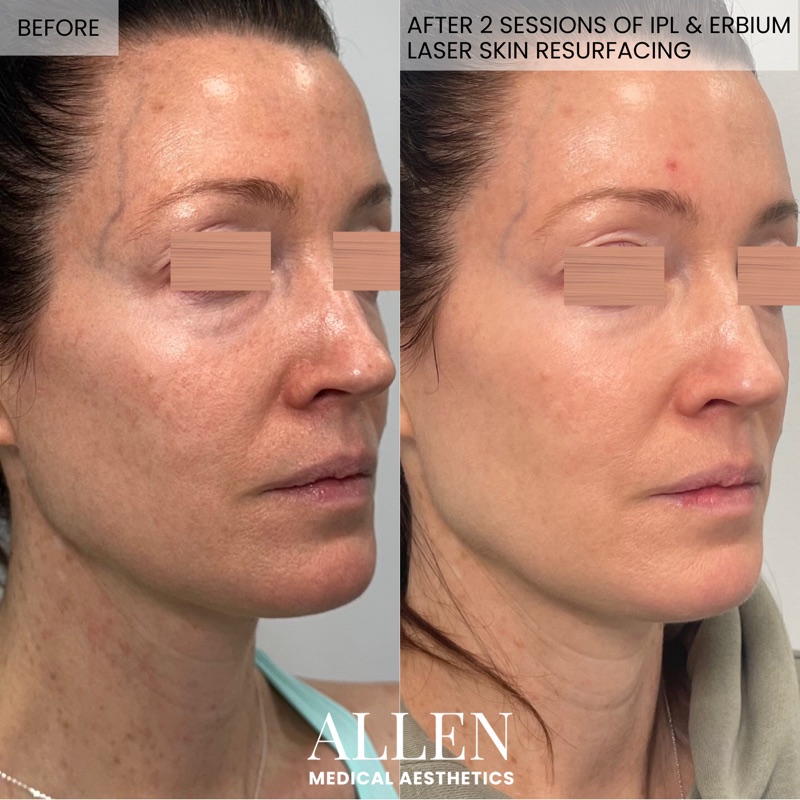
Intense pulsed light targets the melanin in sun spots and the hemoglobin in broken capillaries, breaking them down for natural elimination by the body. IPL is the primary treatment for diffuse sun damage, delivering progressive clearing with each session.
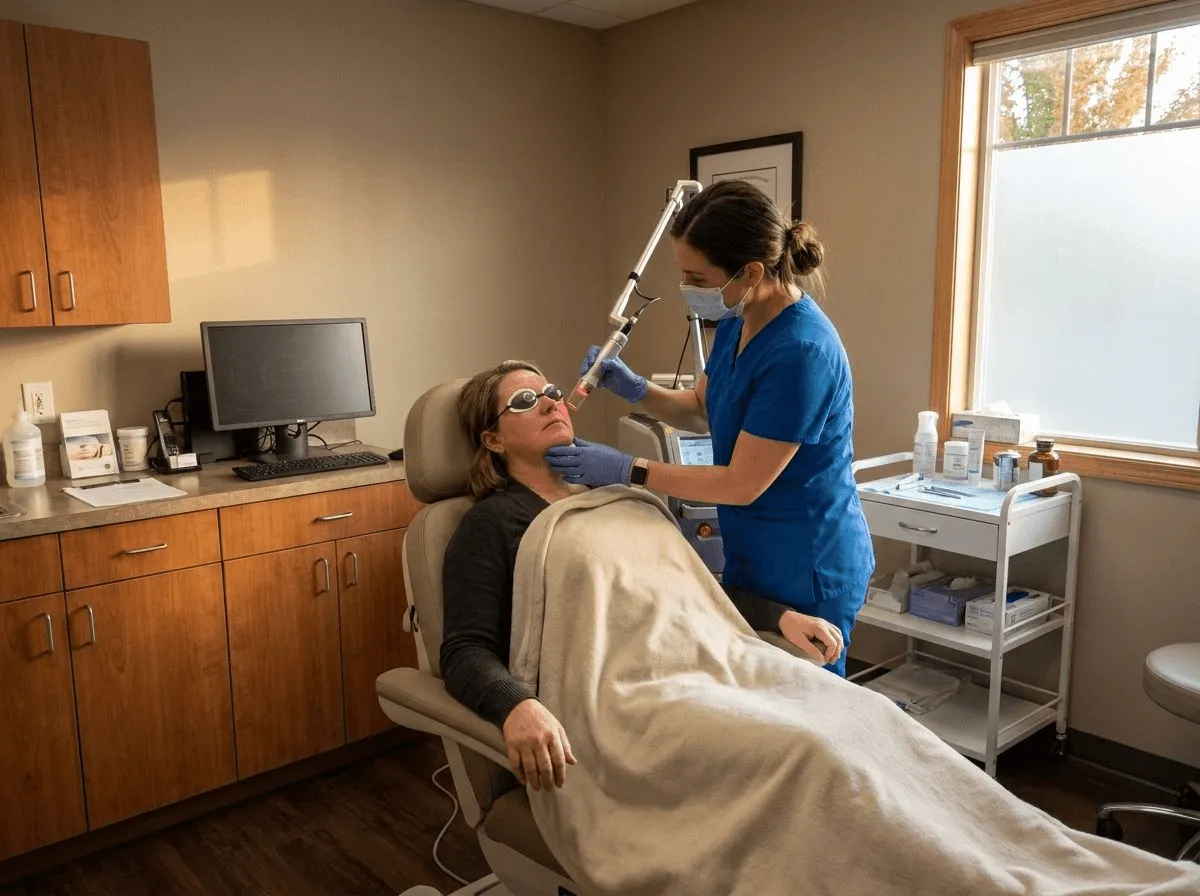
CO2 Laser Resurfacing
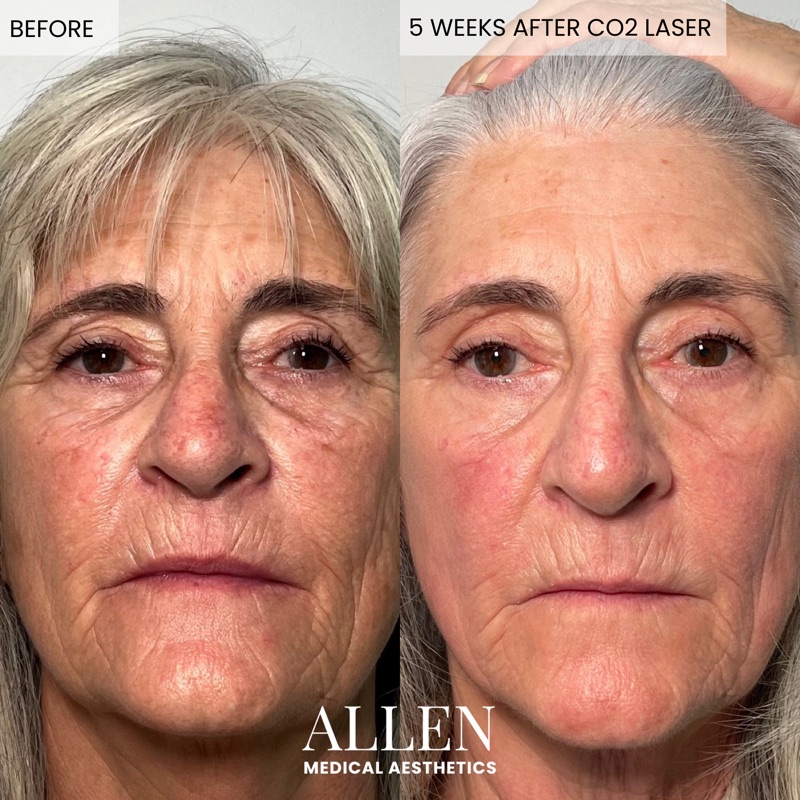
Fractional CO2 laser removes sun-damaged surface skin and stimulates deep collagen remodeling. This comprehensive treatment addresses pigmentation, texture, and fine lines caused by photoaging in a single session.
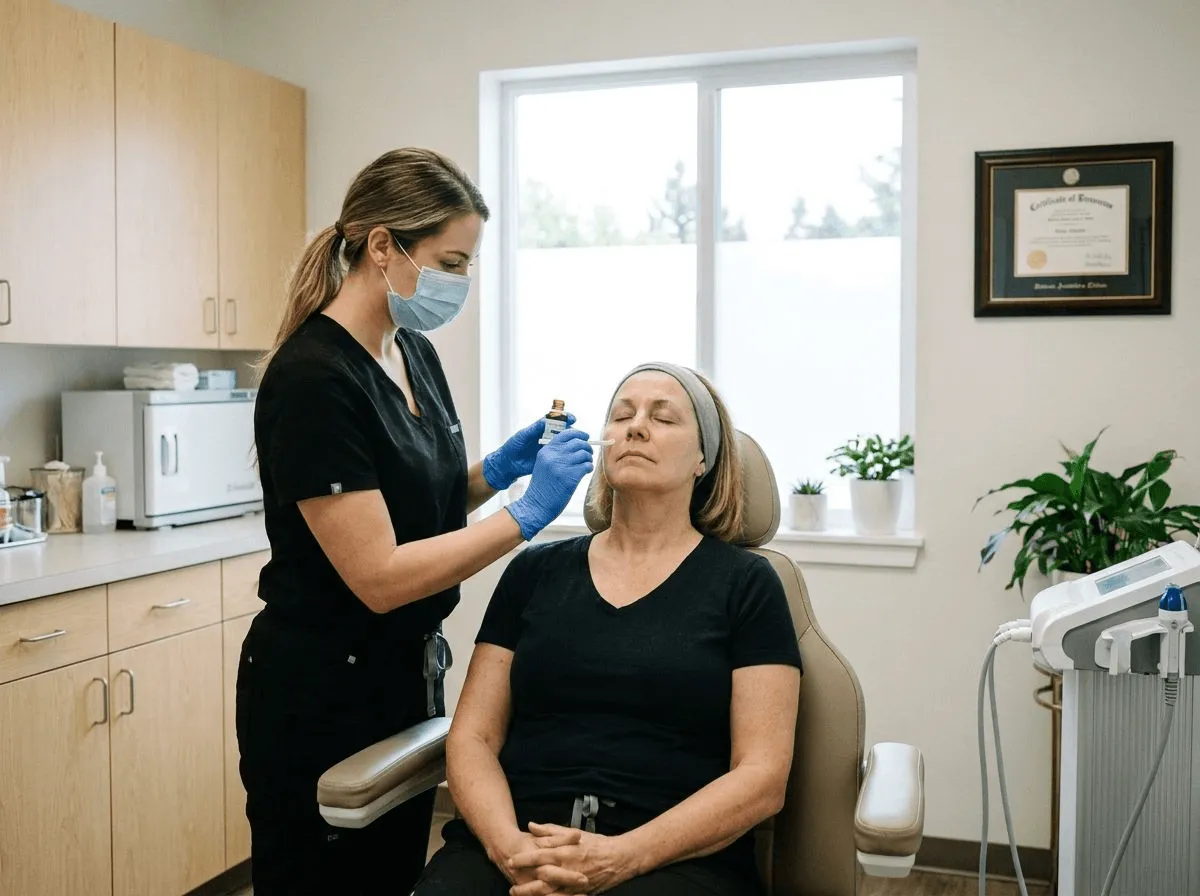
Chemical Peels
Medical-grade peels accelerate the removal of sun-damaged skin cells and promote fresh, evenly pigmented skin. Peels can be calibrated to address mild to moderate sun damage and work well as standalone treatments or between IPL sessions.
RF Microneedling
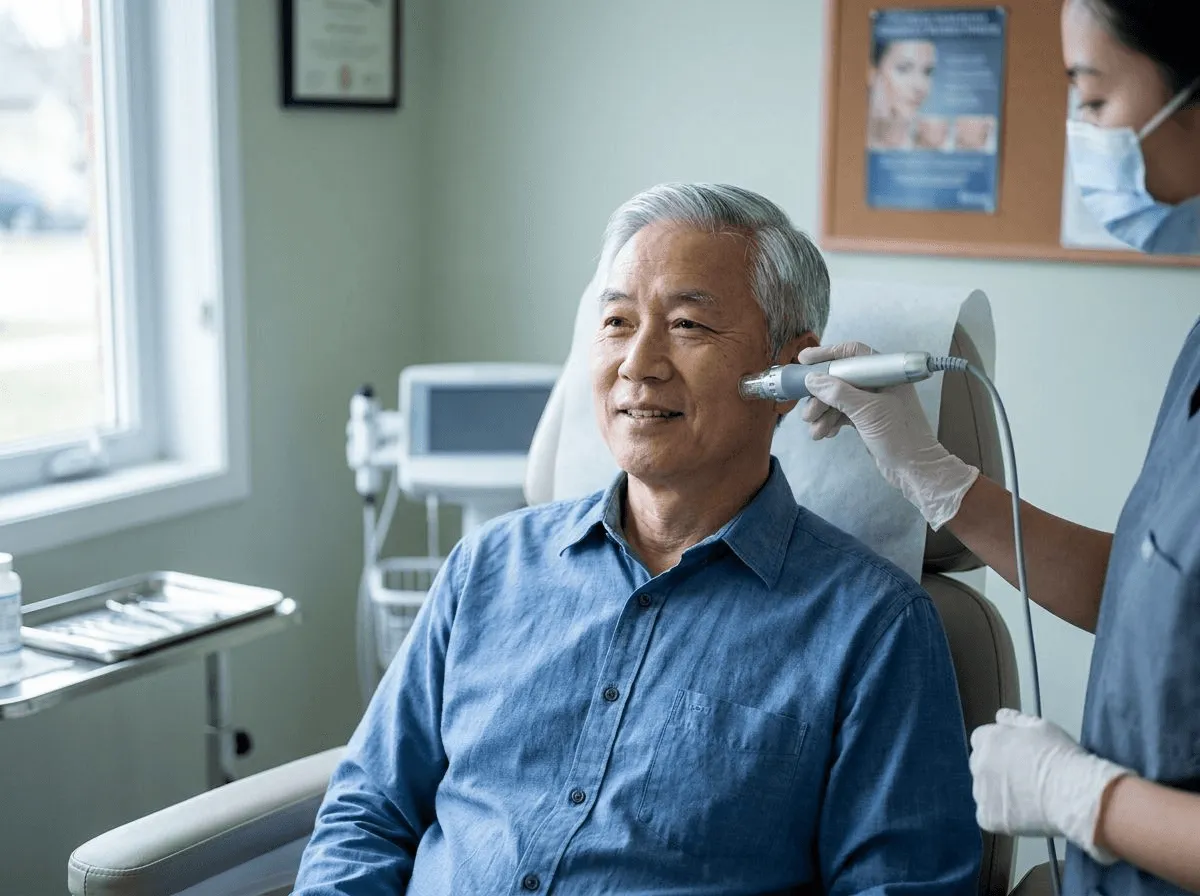
SylfirmX RF microneedling stimulates collagen production to repair the structural damage caused by UV exposure. While it does not directly target pigmentation, it improves the texture, firmness, and resilience of sun-damaged skin.
Before and After
Real patients treated for sun damage at Allen Medical Aesthetics, shared with consent.
Common Questions About Sun Damage
Sun damage is cumulative. The spots and redness patients see today are the result of years of UV exposure. IPL photofacial is the treatment I reach for most often because it targets both pigmentation and vascular redness in the same session.

Can sun damage be reversed?
Many visible signs of sun damage can be significantly improved with professional treatments. IPL, laser resurfacing, and chemical peels can reduce or eliminate sun spots, improve texture, and stimulate new collagen. However, prevention through sun protection is essential to maintain results.
How many IPL sessions are needed for sun damage?
Most patients see meaningful improvement after three to five IPL sessions spaced three to four weeks apart. The number of sessions depends on the severity of your sun damage. Some patients with mild damage see excellent results after just two sessions.
Is sun damage treatment safe for all skin types?
Treatment selection varies by skin type. IPL is generally most effective for lighter skin tones. For patients with darker complexions, we may recommend chemical peels or RF microneedling, which carry less risk of unwanted pigmentation changes. We assess your skin type during the consultation.
Will my sun spots come back after treatment?
Treated sun spots typically do not return, but new spots can develop with ongoing UV exposure. Consistent broad-spectrum sunscreen use, protective clothing, and periodic maintenance treatments help prevent new damage from forming.
What is the best time of year for sun damage treatment?
Fall and winter are popular times for sun damage treatments because UV exposure is lower and patients spend less time outdoors. However, with proper sun protection, treatments can be performed year-round. We adjust protocols based on the season.
Does insurance cover sun damage treatment?
Cosmetic treatments for sun damage are generally not covered by insurance. However, if a provider identifies a potentially precancerous lesion during your evaluation, we will refer you to a dermatologist for appropriate medical care.
Can sun damage on the face be reversed with IPL treatments?
IPL is one of the most effective treatments for visible sun damage, particularly sun spots, age spots, and diffuse redness. Most patients see significant improvement after three to five sessions. Dark spots darken and flake off within 7 to 14 days after each treatment, revealing clearer skin. While IPL cannot undo all structural damage from UV exposure, it can dramatically improve the visible signs.
Is IPL or laser better for treating sun-damaged skin?
IPL targets pigmentation and redness across broad areas and is ideal for diffuse sun damage with minimal downtime. CO2 laser resurfacing addresses deeper damage including wrinkles, texture, and collagen loss but requires five to seven days of recovery. For patients with both surface discoloration and deeper textural damage, a combination approach often delivers the best results. Your provider will recommend the right plan based on your specific damage profile.
How many IPL sessions does it take to remove sun spots?
Most sun spots and age spots show significant improvement in three to five IPL sessions spaced three to four weeks apart. Lighter, more superficial spots may respond in one to two sessions. Deeper or more stubborn pigmentation may require additional treatments. After each session, treated spots darken temporarily before flaking off over one to two weeks, revealing clearer skin underneath.
You Might Also Be Interested In
Hyperpigmentation
Dark spots, sun spots, melasma, and uneven skin tone.
Explore Hyperpigmentation treatmentsSkin Texture
Rough texture, enlarged pores, dull skin, and uneven surface.
Explore Skin Texture treatmentsFine Lines
Early signs of aging, superficial lines, and crepey skin texture.
Explore Fine Lines treatmentsRelated Articles
Erbium Laser vs CO2 Laser: Which Is Better for Your Skin?
When researching laser skin resurfacing, you will encounter two dominant technologies: erbium YAG laser and CO2 laser. Both are ablative lasers that remove dama...
Read article Laser and SkinCO2 Laser Resurfacing Cost: What to Expect in 2026
CO2 laser resurfacing is one of the most effective treatments available for sun damage, acne scarring, deep wrinkles, and uneven skin texture. It is also one of...
Read article Laser and SkinCO2 Laser Before and After: Results, Recovery Timeline, and What to Expect
CO2 laser resurfacing is one of the most powerful skin rejuvenation treatments available in aesthetic medicine. It delivers results that other treatments simply...
Read articleReady to Reverse Sun Damage?
Schedule a consultation at Allen Medical Aesthetics to learn which sun damage treatment is right for your skin.
- Board-certified providers
- FDA-approved products only
- $50 consultation fee applied to treatment
- Transparent, honest pricing
- Individualized treatment plans
Request a Consultation
We will respond within one business day.
Thank you for reaching out.
We will respond within one business day. You can also call us at (206) 414-9979.
Something went wrong.
Please try again or call us directly at (206) 414-9979.