
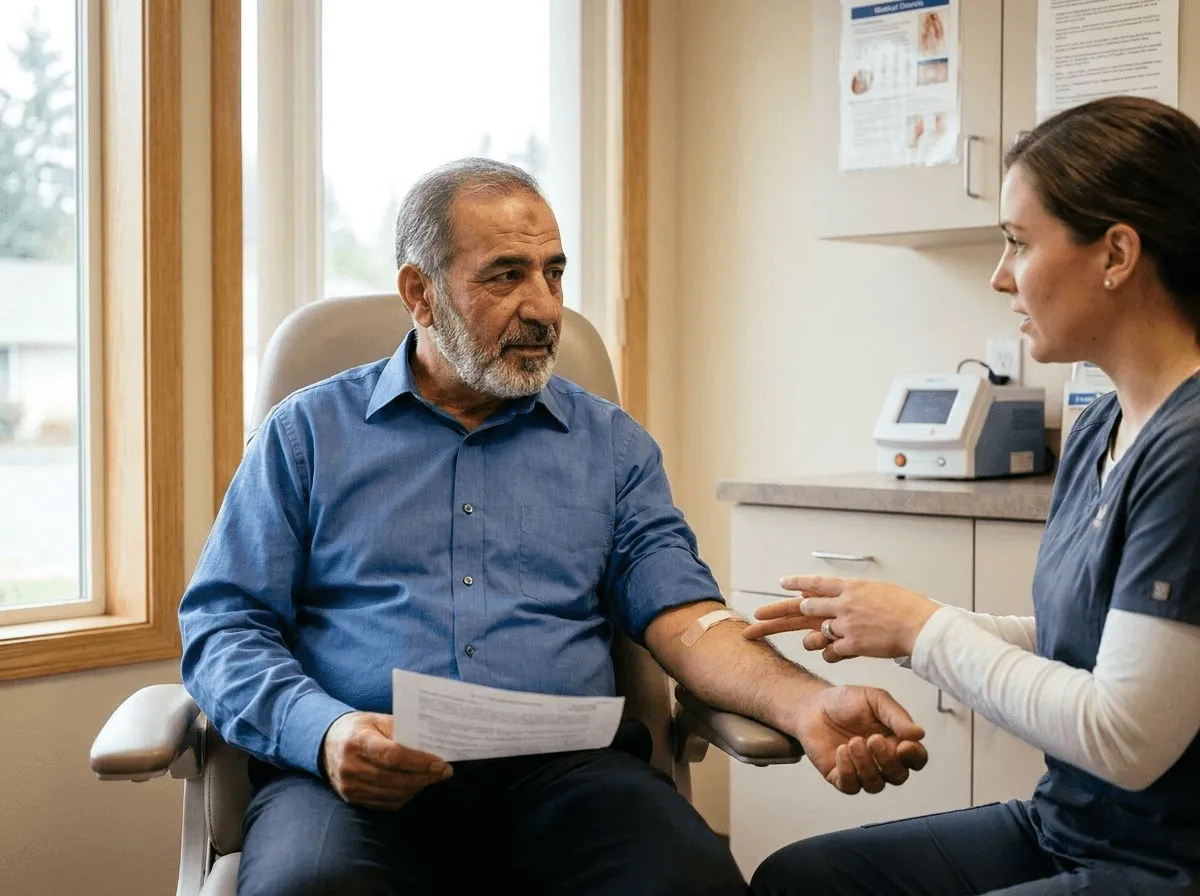
What you do after each laser tattoo removal session matters just as much as the treatment itself. Proper aftercare protects your skin during the healing process, reduces the risk of complications, and creates the best conditions for your body to clear ink between sessions.
At Allen Medical Aesthetics, we provide detailed aftercare instructions to every patient after each treatment. This guide covers everything you need to know about the recovery process, from the first 24 hours through the weeks between sessions, so you can heal well and get the best possible results from your PICO laser treatments.
After laser tattoo removal, keep the treated area clean and covered with ointment and a bandage for the first 48 hours. Avoid sun exposure, soaking in water, and picking at blisters or scabs. Most side effects (redness, swelling, blistering) resolve within 1 to 2 weeks. Following proper aftercare reduces complication risk and supports faster ink clearance between sessions.
The two most important aftercare rules are: do not pick at blisters or scabs (this is the leading cause of scarring), and protect the area from sun exposure throughout your treatment course.
Immediate Aftercare: The First 24 to 48 Hours
The first two days after treatment are the most important for wound care. Your skin has just experienced controlled laser injury, and how you treat it during this window sets the tone for the rest of the healing process.
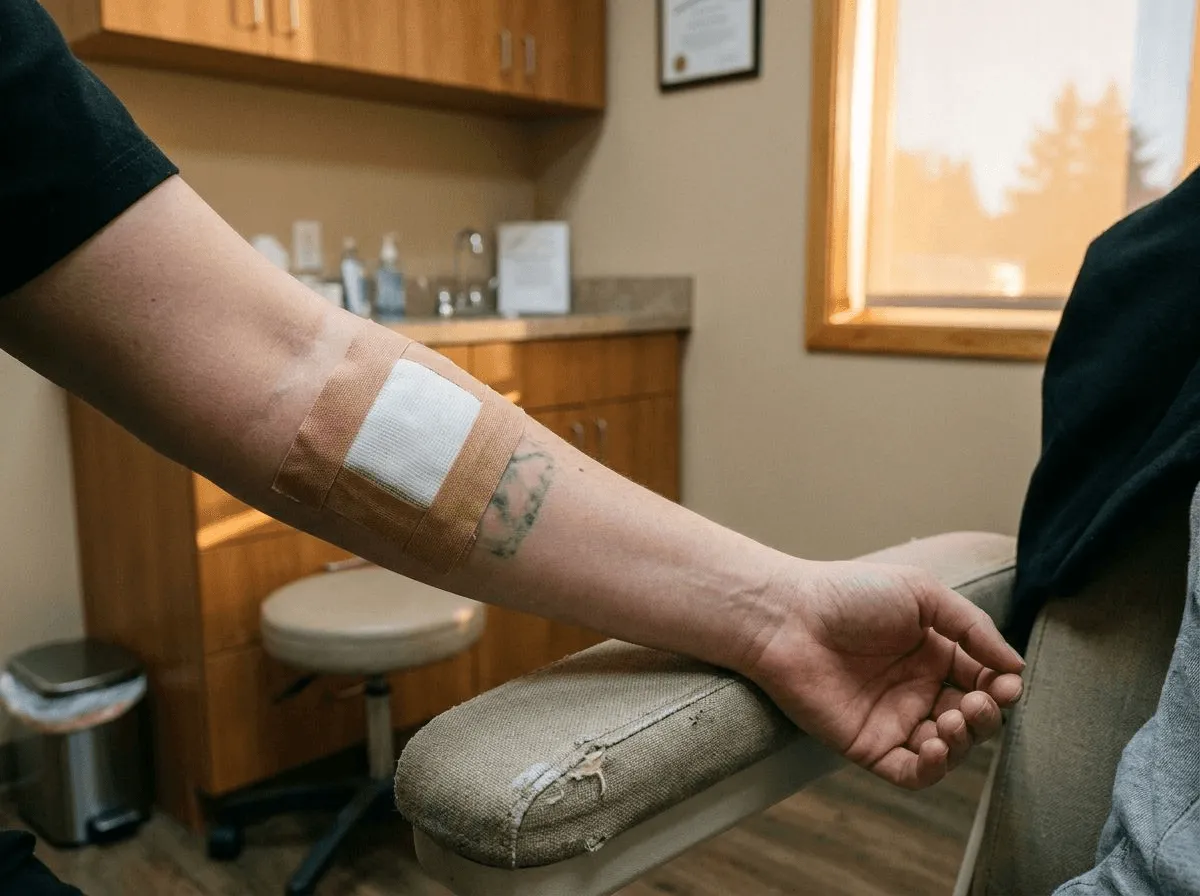
Immediately after your session, your provider will apply a thin layer of antibacterial ointment and cover the area with a sterile non-stick bandage. Keep this bandage in place for at least the first few hours, or as directed by your provider.
When you remove the initial bandage, gently clean the area with mild soap and lukewarm water. Pat dry with a clean towel (do not rub) and apply a fresh layer of antibacterial ointment or Aquaphor. Re-cover with a new non-stick bandage. Repeat this clean-and-reapply process 2 to 3 times per day for the first 48 hours.
Some swelling, redness, and tenderness are completely normal during this period. You can apply a cool compress (wrapped in a thin cloth, not directly on the skin) for 10 to 15 minutes at a time to reduce swelling and discomfort. Over-the-counter pain relief such as acetaminophen can be taken as needed. Avoid ibuprofen and aspirin for the first 24 hours, as they can increase the risk of bruising.
Do not apply ice directly to the treated area. Always wrap ice or cold packs in a cloth barrier to prevent cold injury to the already-compromised skin.
Blisters: What They Are and How to Handle Them
Blistering is a common and normal response to laser tattoo removal. Blisters form because the laser energy creates gas bubbles beneath the skin surface as ink particles are shattered. They can appear within a few hours of treatment or develop over the first 24 to 48 hours.
Blisters may be small and scattered or large enough to cover a significant portion of the treated area. They can contain clear fluid or occasionally appear blood-tinged, which is also normal. While blisters can look alarming, they are actually a sign that the laser effectively targeted the ink.
The most important rule with blisters is to leave them intact. Do not pop, drain, or puncture blisters intentionally. The blister acts as a natural bandage, protecting the healing skin underneath from infection and mechanical damage. Popping blisters exposes raw tissue to bacteria and significantly increases the risk of infection and scarring.
If a blister pops on its own (which can happen with friction from clothing), keep the area clean and apply antibacterial ointment. Leave the skin flap in place if possible, as it still provides some protection. Cover with a non-stick bandage and monitor for signs of infection.
Picking at blisters and scabs is the single most common cause of scarring from laser tattoo removal. The treatment itself rarely causes scarring when performed properly. Complications almost always stem from improper aftercare.
What to Avoid During Recovery
During the first 1 to 2 weeks after each session, certain activities and exposures can interfere with healing or increase the risk of complications. Avoiding these will give your skin the best chance to recover cleanly.
- Sun exposure: Keep the treated area out of direct sunlight. UV exposure can cause hyperpigmentation (darkening) or hypopigmentation (lightening) of the healing skin, and it can interfere with your body's ability to clear ink. Cover the area with clothing or a bandage when outdoors. Do not apply sunscreen directly on open or healing skin; wait until the skin has fully closed.
- Soaking in water: Avoid baths, swimming pools, hot tubs, and saunas for at least 2 weeks. Submerging the treated area in water introduces bacteria and can soften blisters, increasing infection risk. Showers are fine as long as you avoid directing high-pressure water at the treatment area.
- High-intensity exercise: Avoid vigorous exercise, heavy lifting, and activities that cause excessive sweating for 48 to 72 hours after treatment. Sweat can irritate the treated area and introduce bacteria. Excessive movement in the area can also aggravate blisters.
- Tight or abrasive clothing: Wear loose, soft clothing over the treated area to avoid friction that can irritate blisters or newly healing skin. If the tattoo is in a location where clothing rubs (waistband, bra strap, sock line), a non-stick bandage provides a protective barrier.
- Picking, scratching, or shaving: As the area heals, scabs will form and eventually fall off on their own. Do not pick, scratch, or peel scabs. Do not shave over the treated area until it is fully healed. Disrupting the natural healing process increases scarring risk.
- Harsh skincare products: Avoid applying retinoids, glycolic acid, salicylic acid, vitamin C serums, or any exfoliating products to the treated area until fully healed. Stick to gentle cleanser, antibacterial ointment, and fragrance-free moisturizer.
- Alcohol and blood thinners: Avoid alcohol for 24 to 48 hours after treatment, as it can increase swelling and bruising. If you take blood-thinning medications, discuss timing with your provider before treatment.
Questions about laser and skin?
Our providers offer consultations to discuss your options. The $50 fee is applied toward your first treatment.
Talk to a ProviderThe Healing Timeline: What to Expect Week by Week
While individual healing varies based on the treatment intensity, tattoo location, and personal health factors, the timeline below represents the typical recovery experience after a PICO laser tattoo removal session.
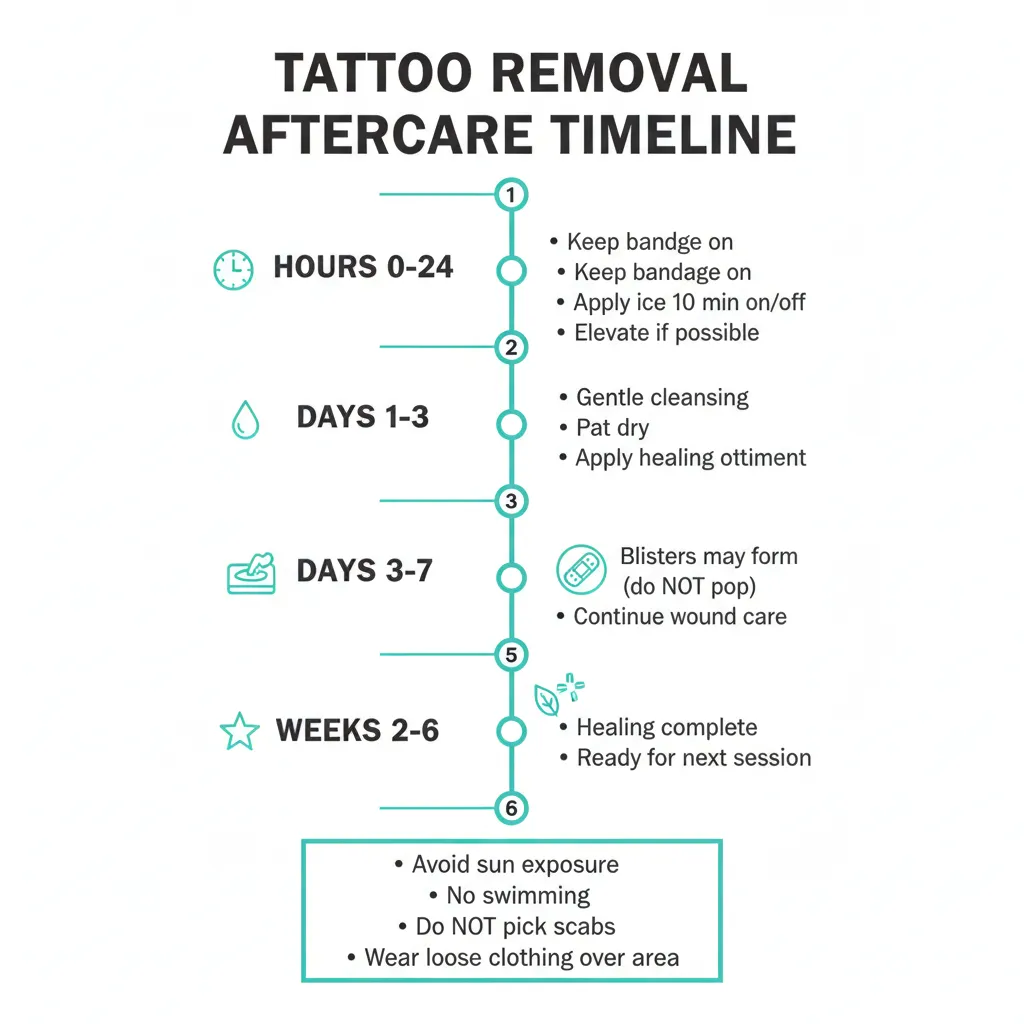
| Timeframe | What to Expect | Care Focus |
|---|---|---|
| Hours 1 to 6 | Frosting fades. Redness, swelling, and warmth develop. Area may feel hot or stinging, similar to a sunburn. Some pinpoint bleeding is possible. | Keep bandaged. Apply cool compresses. Take acetaminophen for discomfort if needed. |
| Hours 6 to 24 | Swelling peaks. Blisters may begin forming. Area is tender to the touch. Skin may darken temporarily around the treated area. | Begin clean-and-reapply cycle with ointment and bandage. Elevate if possible to reduce swelling. |
| Days 2 to 3 | Blisters may grow larger. Redness and swelling persist but are not worsening. Some itching may begin as healing starts. | Continue wound care. Do not pop blisters. Wear loose clothing over the area. |
| Days 4 to 7 | Blisters begin to flatten and dry. Scabbing starts to form as blisters resolve. Itching can be significant. Redness begins to fade. | Do not pick scabs. Apply moisturizer if skin feels tight. Continue sun protection. |
| Weeks 2 to 3 | Scabs fall off naturally. New skin underneath may be pink or slightly discolored. Most tenderness has resolved. Area may feel dry or tight. | Transition from ointment to gentle fragrance-free moisturizer. Begin applying mineral sunscreen if area is exposed. |
| Weeks 4 to 6 | Skin is fully healed on the surface. Any residual pinkness is fading. Tattoo may appear lighter as the body continues clearing ink particles beneath the surface. | Resume normal activities. Continue sun protection. Assess fading progress. |
| Weeks 6 to 8 | Maximum fading from this session is visible. Skin is ready for the next treatment if scheduled. | Attend your next session if on schedule. Photograph progress for comparison. |
Normal Healing vs Signs of Complications
Knowing the difference between normal healing responses and signs of a problem helps you respond appropriately and seek care when it is actually needed.
Normal Healing Signs
The following are all expected parts of the healing process and do not require medical attention: redness and swelling for the first few days, blistering (even large blisters), itching as the skin heals, scab formation, mild bruising or pinpoint bleeding, temporary darkening of the tattoo or surrounding skin, and pink or slightly discolored new skin after scabs fall off.
Signs That Need Medical Attention
Contact your provider if you experience any of the following: increasing pain, redness, or swelling after the first 48 hours (should be improving, not worsening), pus or thick yellow/green discharge from the treatment area, red streaking extending away from the treated area, fever above 100.4 F, a foul smell from the treatment site, an allergic reaction (widespread hives, difficulty breathing), or blisters that refill repeatedly after draining on their own.
These symptoms may indicate infection or an unusual reaction that requires medical evaluation. When in doubt, call your provider. It is always better to have a concern assessed and found to be normal than to ignore a developing complication.
Take a photo of the treated area immediately after your session and at the same time each day for the first week. This creates a visual record of your healing process and makes it easier to identify changes that may need attention.
Sun Protection Throughout Your Treatment Course
Sun protection is not just an aftercare step; it is a treatment-long commitment that directly affects your results. UV exposure impacts tattoo removal in multiple ways, and failing to protect the treated area is one of the most common reasons for suboptimal outcomes.
Tanned skin contains more melanin, which competes with tattoo ink for absorption of laser energy. When the laser energy is divided between melanin and ink, less energy reaches the ink particles and more is absorbed by the skin itself. This means your provider must use lower energy settings on tanned skin to avoid burns, which reduces the effectiveness of each session and can increase the total number of treatments needed.
UV exposure also increases the risk of post-inflammatory hyperpigmentation (PIH), a condition where the healing skin produces excess melanin and becomes darker than the surrounding tissue. PIH can take months to resolve and may create a visible outline of the treated area even after the tattoo ink has cleared.
To protect the area effectively, cover the treatment site with clothing whenever possible. Once the skin is fully healed (no open wounds, blisters, or scabs), apply a broad-spectrum mineral sunscreen with SPF 30 or higher and reapply every 2 hours when exposed to sun. Avoid deliberate tanning (sun or tanning beds) throughout your entire treatment course. If you have a naturally darker skin tone, sun protection is even more critical because the contrast between the treatment area and surrounding skin can become more pronounced.
Between-Session Care: Supporting Your Body Between Treatments
The 6 to 8 weeks between sessions are not just waiting time. Your body is actively working to clear the ink particles that the laser fragmented during treatment. Supporting your body during this phase can improve the efficiency of the clearing process and help you get better results from each session.
Your lymphatic system is the primary transport network for carrying ink fragments from the treatment site to the liver for elimination. Lymphatic flow is driven by muscle contraction and physical movement, which means regular exercise genuinely supports the clearing process. Aim for moderate physical activity most days, such as walking, cycling, swimming (once healed), or any movement you enjoy.
Hydration supports lymphatic function and overall immune health. While there is no specific water intake target that speeds ink clearance, staying well-hydrated is a simple way to support your body's waste-removal systems.
Nutrition plays a supporting role as well. A balanced diet rich in vitamins C and E, zinc, and protein provides the building blocks your skin needs for efficient wound healing. You do not need supplements unless you have a documented deficiency, but eating a varied diet with adequate protein supports recovery.
If you smoke, each session is another opportunity to consider quitting. Smoking constricts blood vessels, impairs immune function, and slows lymphatic drainage, which generally means more sessions are needed to achieve the same level of tattoo clearance compared to a non-smoker. Even reducing your smoking during your treatment course can make a measurable difference.
“I cannot stress enough how much aftercare influences your final results. Patients who protect the area from sun, leave blisters alone, and follow the wound care steps consistently get noticeably better fading per session. The laser does its job during treatment, but what you do in the weeks after is what lets your body finish the work.”
Sophie Wittman, LME, MA-P Laser & Skin Specialist
How Aftercare Affects Your Overall Results
The connection between aftercare and results is direct and measurable. Poor aftercare can extend your treatment timeline, increase costs, and in worst-case scenarios, leave you with scarring that is more visible than the original tattoo.
Infection is the most serious aftercare-related complication. An infection in the treated area causes inflammation and immune activity that is directed at fighting bacteria rather than clearing ink. This delays fading, can cause scarring, and typically means your next session must be postponed until the infection fully resolves, adding weeks or months to your overall timeline.
Sun exposure between sessions is the second most common cause of suboptimal results. Patients who do not protect the area from UV consistently end up with uneven fading, hyperpigmentation, and reduced laser effectiveness at subsequent sessions because the provider must use lower settings on tanned or sun-damaged skin.
Conversely, patients who follow aftercare instructions carefully, protect the area from sun, maintain good overall health, and avoid picking at blisters and scabs consistently achieve better results in fewer sessions. The difference between good and poor aftercare compliance can be 2 to 4 additional sessions, which represents significant time and cost.
Think of aftercare as an active part of your treatment, not a passive recovery period. Every decision you make between sessions, from sun protection to hydration to resisting the urge to pick at a scab, contributes to the final outcome. For more on what to expect from the overall process, read our complete guide to laser tattoo removal and our breakdown of how many sessions you can expect to need.
Frequently Asked Questions
Can I shower after laser tattoo removal?
Yes, you can shower after treatment. Keep the treated area out of direct water pressure and avoid using hot water on the area. Do not submerge the area in bath water, pools, or hot tubs for at least 2 weeks. Pat the area dry gently after showering and reapply ointment.
How long do blisters last after tattoo removal?
Blisters typically form within the first 24 to 48 hours and last 3 to 7 days before flattening and beginning to scab over. Large blisters may take up to 2 weeks to fully resolve. Do not pop or drain blisters; let them heal naturally.
When can I exercise after laser tattoo removal?
Wait at least 48 to 72 hours after treatment before resuming vigorous exercise. Sweat and friction can irritate the treated area and increase infection risk. Low-impact activities like walking are fine after 24 hours as long as the treatment area is not being aggravated by clothing or movement.
Is it normal for the area to itch after treatment?
Yes, itching is a normal sign of healing and typically begins around day 3 to 5. Do not scratch the area. If itching is severe, a fragrance-free moisturizer or over-the-counter hydrocortisone cream (applied to intact, non-blistered skin only) can provide relief. Ask your provider before applying any product you are unsure about.
Can I put makeup over the treated area?
Wait until the skin is fully healed (no open wounds, blisters, or scabs) before applying makeup over the treatment area, typically 1 to 2 weeks. When you do apply makeup, use mineral-based products and remove them gently. Avoid heavy, oil-based, or fragranced makeup until healing is complete.
What should I put on my skin after laser tattoo removal?
Apply a thin layer of antibacterial ointment (such as Bacitracin or Aquaphor) for the first 3 to 5 days, covered with a non-stick bandage. After blisters and scabs have resolved, transition to a gentle fragrance-free moisturizer. Avoid retinoids, acids, and exfoliating products until the skin is fully healed.
How long should I avoid the sun after tattoo removal?
You should protect the treated area from sun exposure throughout your entire treatment course, not just after individual sessions. Cover the area with clothing when outdoors, and apply mineral sunscreen (SPF 30+) once the skin is fully healed. Deliberate tanning should be avoided for the duration of treatment and for at least 4 weeks before each session.
Related Articles
This article supports our Laser Tattoo Removal service page. Learn more about treatment options, candidacy, and what to expect.